Buying your first place in St. Louis can feel exciting and a little confusing at the same time. One neighborhood may offer a house under $175,000, while another puts you closer to $275,000 for a move-in-ready option, and downtown might open the door to condos with a very different pace and cost structure. If you are trying to figure out what a realistic starter home looks like in St. Louis City, this guide will help you compare your options and spot the trade-offs that matter most. Let’s dive in.
What a starter home means here
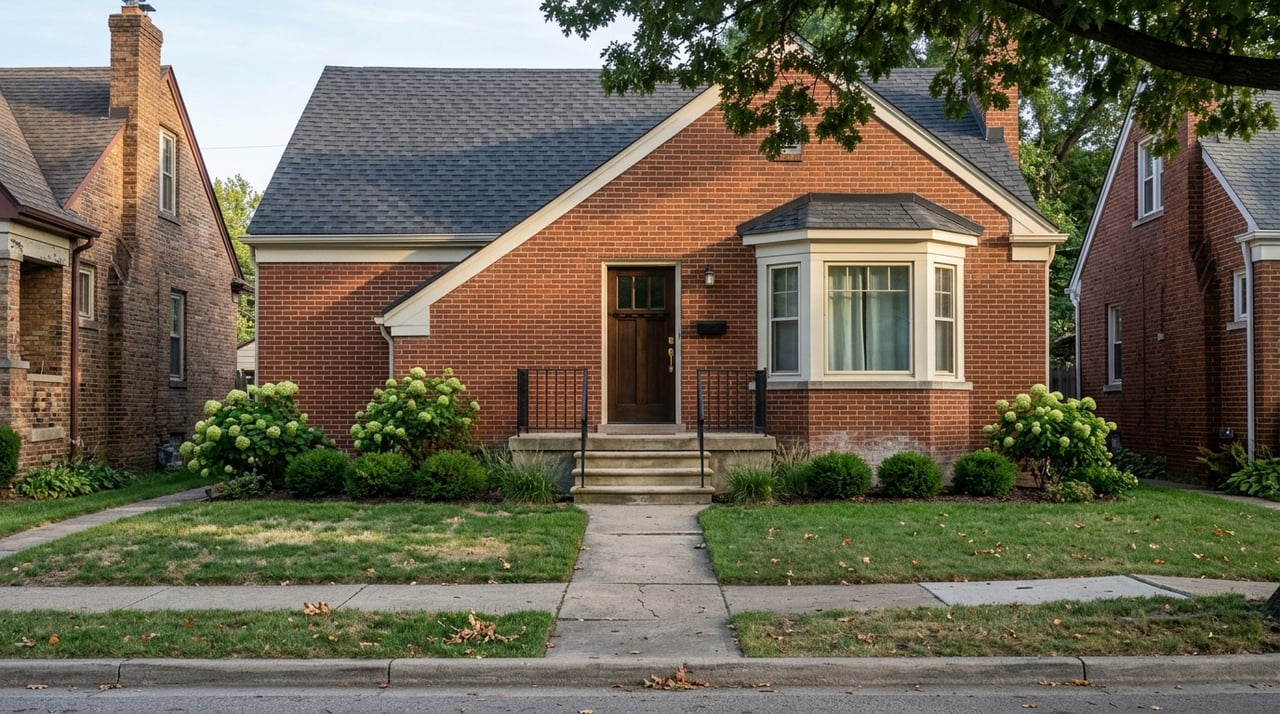
In St. Louis City, a starter home does not mean just one thing. It can be a smaller single-family home in south city, a renovated brick home in a more competitive neighborhood, or a condo or loft in a multi-unit building.
That range exists because the local housing stock is broad and the market changes a lot from one area to another. ACS 2024 housing data shows a meaningful share of lower-priced owner-occupied homes in the city, including 20% valued under $100,000, 27% between $100,000 and $200,000, and 23% between $200,000 and $300,000.
Citywide, the market is still active. Redfin reported a May 2026 median sale price of $250,249 in St. Louis City, up 5.9% year over year, with a median of 17 days on market and a 98.9% sale-to-list ratio.
That said, citywide numbers only tell part of the story. St. Louis is much easier to understand when you compare neighborhood patterns side by side.
Price ranges by neighborhood
If you are searching for starter home options around St. Louis City, it helps to think in a few broad buckets. Some neighborhoods lean lower-priced but competitive, some sit in the middle with more updated housing, and some offer condos or lofts with slower turnover.
Lower-price south city options
Dutchtown is one of the more budget-friendly areas in the city based on current sales data. Redfin reports a median sale price of $164,895, 28 days on market, a 95.7% sale-to-list ratio, and 28.9% of homes selling above list price.
For you as a buyer, that can mean opportunity with some patience. The neighborhood is still active, but the rate of price drops suggests there may be room to find value if you stay flexible and keep a close eye on condition.
Bevo Mill is another lower-priced option, but it behaves very differently. Its median sale price is $177,678, yet homes are moving in about 9 days with a 101.2% sale-to-list ratio.
In practical terms, that means affordability does not always equal easy. In Bevo Mill, clean offers and quick decision-making can matter just as much as price.
Mid-range city homes
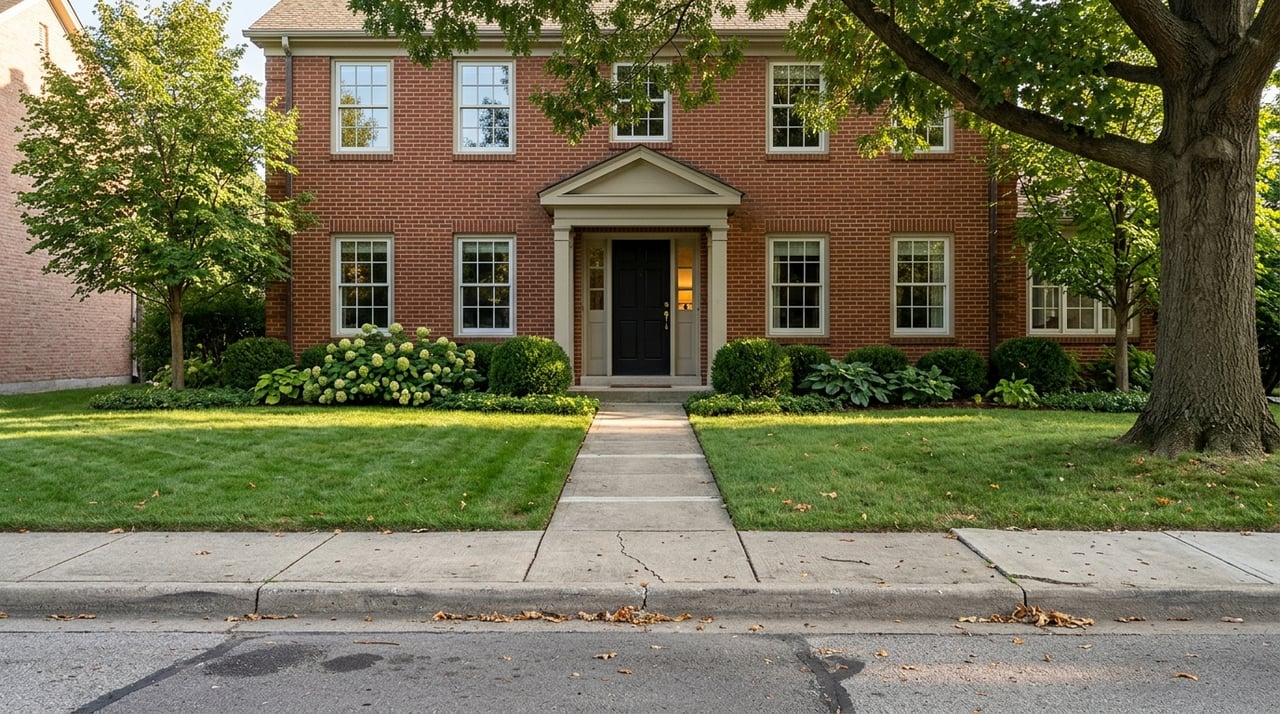
If your budget reaches into the upper $200,000s, neighborhoods like Benton Park West and Tower Grove South may come into the conversation. Benton Park West has a median sale price of $271,909, 40 days on market, and a 97.0% sale-to-list ratio.
This part of the market can appeal to buyers who want a more updated home or a central city location without stepping into the city’s highest price tiers. You may pay more upfront, but you could also reduce the amount of immediate repair or cosmetic work needed.
Tower Grove South shows a similar price point, with a median sale price of $273,608. It is moving much faster, though, at 9 days on market and a 100.6% sale-to-list ratio.
It also has a Walk Score of 75 and a Bike Score of 62, which can matter if you want a neighborhood where daily errands and local destinations feel more accessible. If Tower Grove South is on your list, be ready for competition.
Downtown condos and lofts
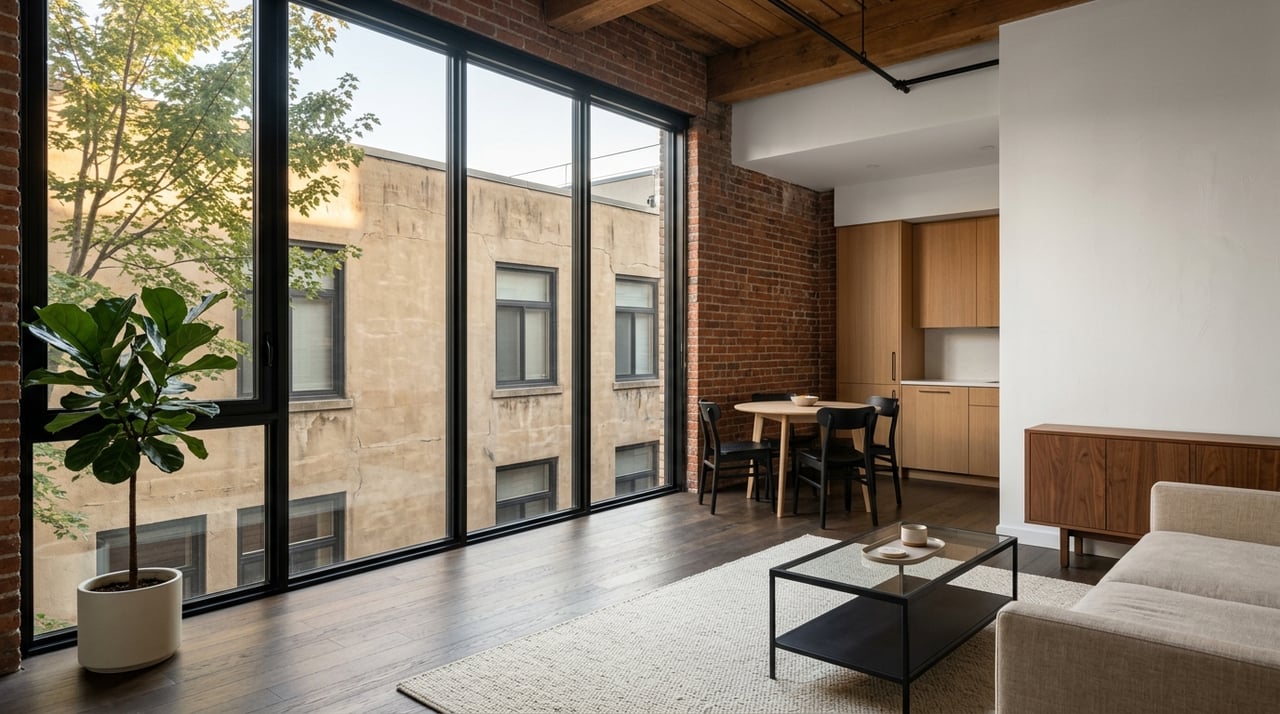
Downtown St. Louis offers one of the clearest examples of a different starter-home path. The median sale price there is $142,952, with 96 days on market and a 95.0% sale-to-list ratio.
That slower pace can create more room for negotiation than you might find in a fast-moving south city pocket. If you like the condo or loft lifestyle, downtown can be an appealing entry point, but the monthly cost picture needs a closer look than the sale price alone.
Why condos matter in St. Louis
Condos and lofts are not a side category in St. Louis City. They are a meaningful part of the starter-home landscape because ACS 2024 data shows that 50% of city housing is in multi-unit structures.
That matters if you are moving from renting and want ownership without taking on the full maintenance load of a detached home. A condo may offer a lower purchase price or a different lifestyle fit, especially in denser parts of the city.
But condo shopping requires a different kind of due diligence. The monthly HOA fee is only the beginning.
What to review before buying a condo
Missouri law gives buyers an important disclosure framework for condominium purchases. Under RSMo 448.4-109, a seller must provide a resale certificate before a sale or conveyance, and that certificate includes key documents and financial details.
Those materials include the declaration, bylaws, rules, common-expense assessments, unpaid special assessments, anticipated capital expenditures, reserve amounts, recent financials, the operating budget, pending suits, insurance, and certain violation information. The law also gives buyers the ability to void the contract until the certificate is delivered and for five days afterward or until closing.
For you, the takeaway is simple. Do not stop at, “Can I afford the HOA fee?”
Instead, ask questions like these:
- Are reserves healthy?
- Is a special assessment likely?
- Is the association involved in litigation?
- Are there rules that affect how you can use the unit?
- Do the budget and financials suggest stable management?
Those questions can shape your real monthly risk just as much as your mortgage payment.
The big trade-off: older housing stock
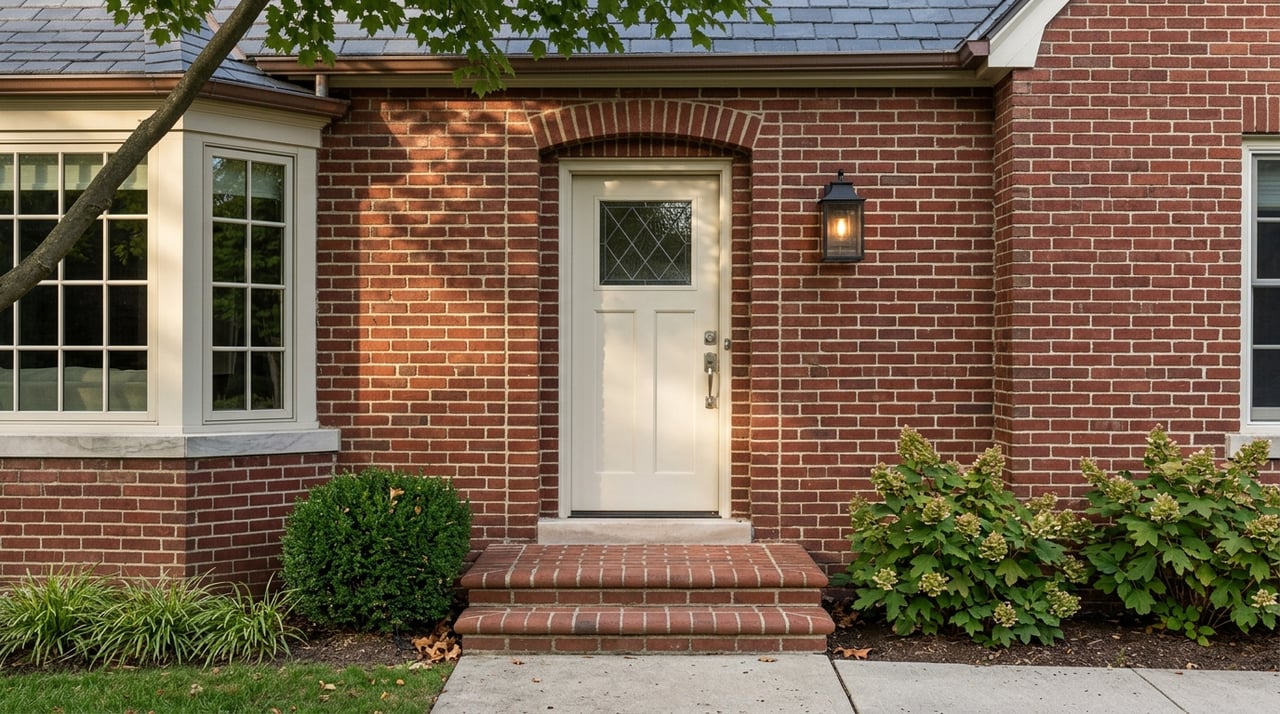
One reason St. Louis can still offer starter-home opportunities is its older housing stock. A Missouri Department of Health and Senior Services summary based on ACS data reported that 58.3% of city housing units were built in 1939 or earlier, and 68.6% were built before 1950.
That age is part of the city’s charm, and it often supports more approachable price points. It also means you should expect wider variation in maintenance history, updates, and overall condition.
A lower list price does not always mean lower total cost. In an older home, deferred work on the roof, masonry, plumbing, electrical systems, insulation, or sewer line can change the math quickly.
How to budget smartly
If you are comparing starter homes in St. Louis City, try to look at the full cost of ownership instead of only the purchase price. Two homes may be listed at similar prices, but one may need immediate repairs while the other is more move-in ready.
A smart comparison usually includes:
- Your expected monthly payment
- Estimated repair or update budget
- Inspection findings
- HOA costs, if applicable
- How much uncertainty you are comfortable taking on
This is where neighborhood-level guidance and valuation context can really help. A cheaper house is not always the better deal if major systems have been neglected.
How to read the market better
The most helpful way to shop for a starter home in St. Louis is to avoid treating the city like one single market. The numbers show very different conditions depending on where and what you are buying.
Citywide, homes are moving fairly quickly, and 40.8% are selling above list price. But that does not mean every listing needs an aggressive offer.
Bevo Mill and Tower Grove South are moving fast. Downtown is much slower and more negotiable. Dutchtown sits in a middle ground, where a lower price point may come with more condition questions and a higher chance of price reductions.
A practical search strategy
For many first-time buyers, one of the best approaches is to compare three categories at the same time:
- A lower-cost south city house
- A more updated mid-range city home
- A condo or loft with an HOA
That side-by-side comparison gives you a clearer sense of what your money buys in different parts of the city. It also helps you decide whether you care more about lower upfront cost, lower repair exposure, or a certain kind of day-to-day lifestyle.
Choosing the right fit for you
The best starter home in St. Louis City is not always the cheapest one on paper. It is the one that fits your budget, your comfort with repairs, your preferred location, and the pace of market you are prepared to handle.
If you want the lowest possible entry price, neighborhoods like Dutchtown, Bevo Mill, or downtown may offer options worth watching. If you want a more updated home and can stretch a bit higher, Benton Park West or Tower Grove South may offer a better fit.
What matters most is understanding the trade-offs before you write an offer. In St. Louis, that usually means balancing price, condition, speed, and monthly carrying costs, not just falling in love with a listing photo.
If you want help comparing neighborhoods, pressure-testing your budget, or making sense of older homes, condos, and fast-moving listings, Drew Behrens can help you approach the process with clear local context and steady guidance.
FAQs
What is a realistic starter home budget in St. Louis City?
- Based on the research, starter-home options in St. Louis City can range from roughly the mid-$100,000s in places like Dutchtown, Bevo Mill, or downtown to the upper $200,000s in neighborhoods like Benton Park West and Tower Grove South.
Which St. Louis City neighborhoods are more affordable for first-time buyers?
- Current neighborhood data points to Dutchtown, Bevo Mill, and Downtown St. Louis as lower-priced entry points compared with some higher-priced city neighborhoods.
Are downtown St. Louis condos a good starter-home option?
- They can be, especially if you want a lower purchase price and a slower-moving market, but you should review HOA documents, reserves, assessments, rules, and financials carefully.
Why do inspections matter so much in St. Louis City homes?
- A large share of the city’s housing was built before 1950, so condition and maintenance history can vary widely and affect the true cost of ownership.
How competitive is the St. Louis City starter-home market?
- It depends heavily on the neighborhood. Citywide conditions are active, but areas like Bevo Mill and Tower Grove South are moving much faster than Downtown St. Louis.
What should first-time buyers compare when choosing between a house and a condo in St. Louis City?
- You should compare purchase price, expected monthly payment, repair exposure, inspection results, HOA costs, and how much uncertainty you are comfortable taking on.