If you want a place where your daily routine feels a little easier and a little more connected, Clayton’s walkable core stands out. You can grab coffee, head to work, stop by a park, meet friends for dinner, and still feel close to home, all within a compact part of St. Louis County. For buyers, renters, and relocators alike, that mix of convenience and character is a big part of the appeal. Let’s take a closer look at what everyday life in Clayton’s core really feels like.
Clayton’s Core at a Glance
Clayton is a 2.5-square-mile city just west of St. Louis and serves as the seat of St. Louis County. The city describes itself as a place where a busy downtown and quiet residential areas exist side by side. That balance helps explain why Clayton feels both polished and livable.
A large share of the city is still devoted to residential and park use. At the same time, the central business district includes about 7 million square feet of office space and 1 million square feet of retail. That concentration creates a stronger day-to-day street presence than you might expect in a suburban setting.
The city also reports more than 3,400 businesses and about 45,000 daily workers in the downtown business district. For you, that often translates to a steady weekday rhythm with people out for coffee, lunch, errands, and after-work plans. It gives the core an active feel without making it feel overwhelming.
Why Walkability Feels Different Here
Walkability in Clayton is not just about sidewalks. It is about having useful destinations close together, including restaurants, offices, parks, transit, and nearby housing. That mix makes it easier to fit more into your day without getting back in the car for every stop.
If you live near the core, a normal weekday can be pretty streamlined. You might start with coffee, take a short walk to an appointment or office, step out for lunch, and finish the day with dinner nearby. That kind of routine is one reason Clayton appeals to buyers who want an urban-suburban blend.
The city also makes clear that it values a safe and inviting pedestrian environment. Its code specifically states that outdoor dining should support that experience, which helps reinforce the street-level energy many people want in a walkable district.
Transit and Parking in Clayton
Clayton works especially well if you want to be car-light rather than fully car-free. The city has two MetroLink stations, Clayton and Forsyth, which help connect the area to the broader St. Louis region. Clayton Station also connects to multiple MetroBus routes.
That transit access can be a real plus if your routine includes commuting, meeting friends in other parts of the metro, or catching events without driving everywhere. It also adds flexibility for households that do not want every daily plan to depend on a car.
Parking is still part of everyday life here. Downtown parking relies on meters and garages, and some resident discounts are available for approved vehicles. Around Shaw Park and much of downtown, weekday street parking is metered, while Shaw Park and the Center of Clayton offer free parking.
Dining and Daily Errands
One of Clayton’s biggest lifestyle advantages is how naturally dining fits into the day. The city’s summer 2026 newsletter notes that the Forsyth MetroLink station places riders steps from dozens of restaurants. That means going out to eat can feel less like a special trip and more like part of your normal routine.
For many people, that convenience matters just as much as pure walkability. Being able to step out for lunch, pick up a quick dinner, or meet someone after work without a long drive adds real value to the way a neighborhood functions.
The core’s mix of uses helps with that. Offices, retail, transit, and nearby housing all sit close enough together to support a more connected daily rhythm. If you are comparing neighborhoods in St. Louis County, that is one of the clearer ways Clayton sets itself apart.
Parks Add Breathing Room
A walkable district works better when it also gives you space to slow down. In Clayton, Shaw Park plays a major role in that balance. At 47.47 acres, it is the city’s oldest and largest park and sits near the heart of the business district.
Shaw Park includes a walking path, gardens, playgrounds, an aquatic center, an outdoor ice-skating rink, 10 tennis courts, ball fields, and connections to the Centennial Greenway. That range of amenities gives you options whether you want a quick walk, a more active routine, or a place to spend part of the weekend.
Oak Knoll Park offers a quieter setting. The 14.5-acre park includes a half-mile walking path, a pond, gardens, and summer musical concerts. If you like the energy of downtown but also want nearby places that feel calm, that contrast is part of Clayton’s appeal.
Recreation Beyond the Parks
The Center of Clayton adds another layer to everyday convenience. This 136,000-square-foot recreation facility includes gyms, pools, a climbing wall, and a suspended jogging track. For many residents, having a major recreation center close to home makes routines easier to maintain.
If you have a dog, Clayton also offers an off-leash option at Clayton Dog Park in Anderson Park, just west of Brentwood Boulevard. That may seem like a small detail, but for pet owners, nearby outdoor amenities can make a neighborhood much more practical.
Together, these spaces support more than just weekend fun. They help shape what daily living feels like, especially if you value being able to mix movement, convenience, and downtime into the same neighborhood.
Arts, Events, and Local Character
Clayton’s core is not only functional. It also has a strong sense of place. The city highlights a public art collection that includes works by Botero, Milles, Ben Tre, and Trova, and it offers an OtoCast walking tour app focused on art, history, and parks.
That adds another layer to everyday walks. In some places, walkability simply means getting from one errand to the next. In Clayton, it can also mean moving through a district with more visual interest and civic identity.
Downtown also hosts the annual Saint Louis Art Fair in the streets of the core. Events like that reinforce Clayton’s role as a regional hub while still keeping the experience rooted in a compact, walkable setting.
What Homes Near the Core Look Like
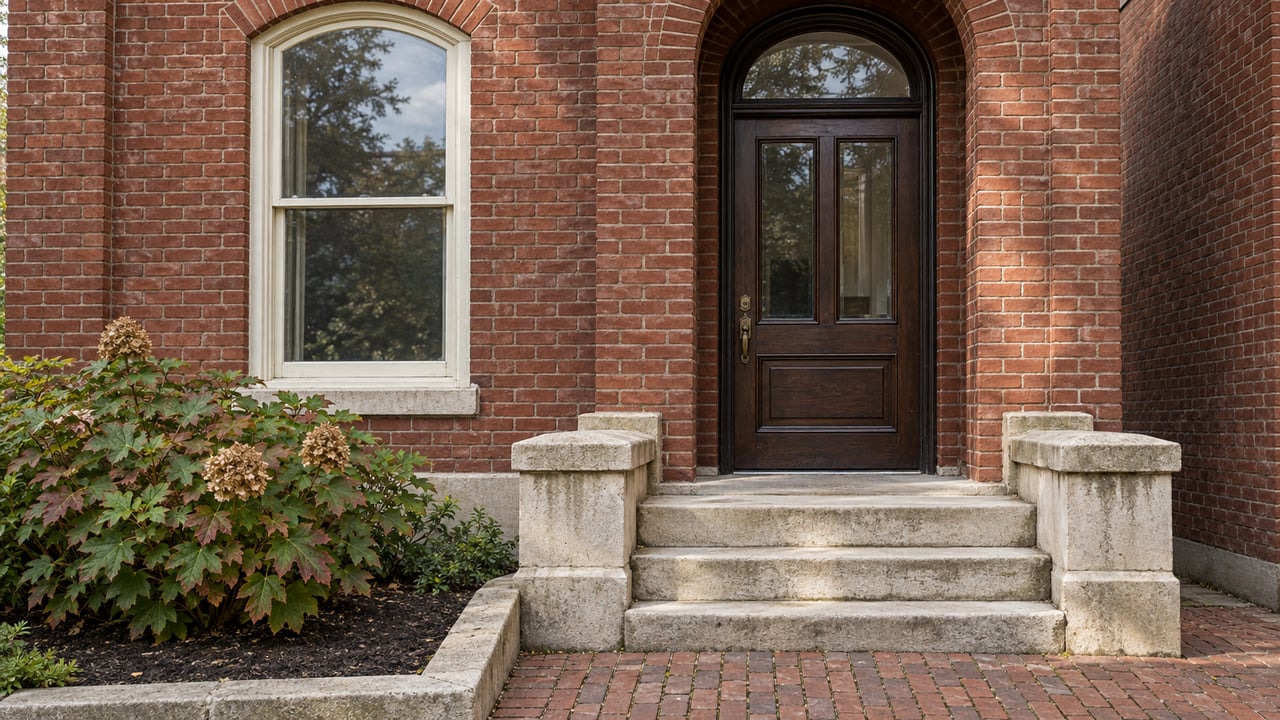
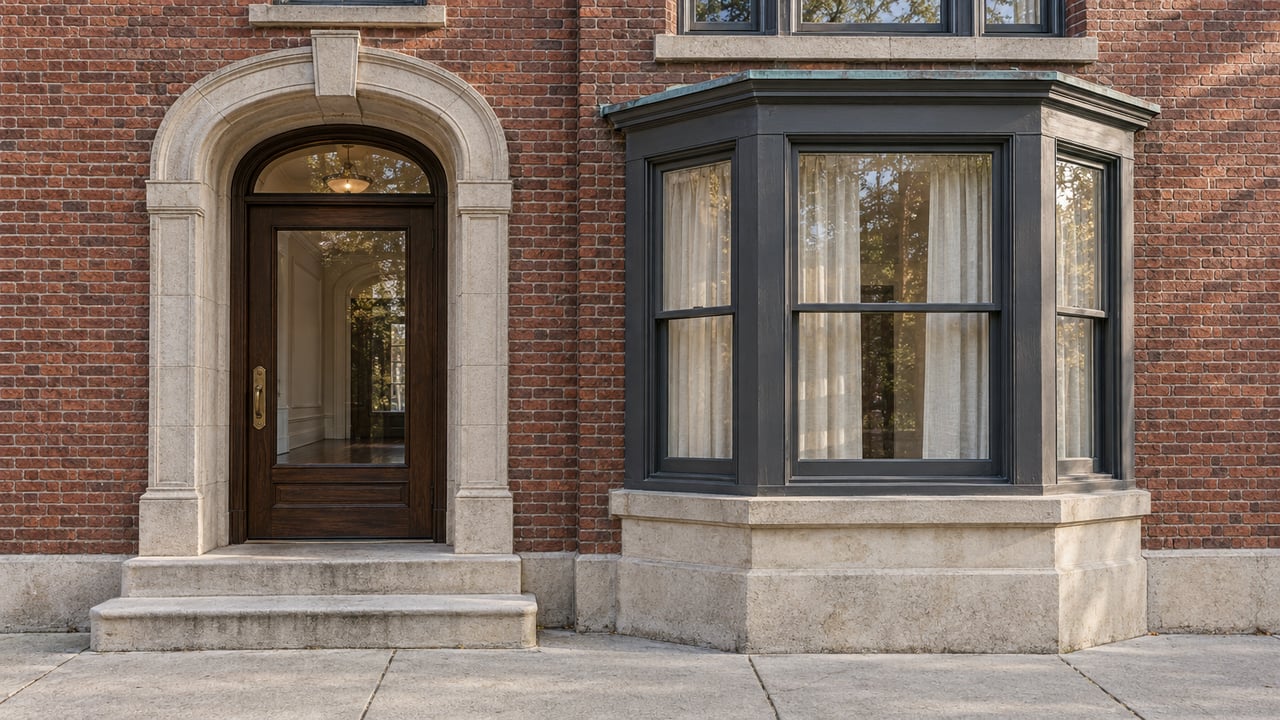
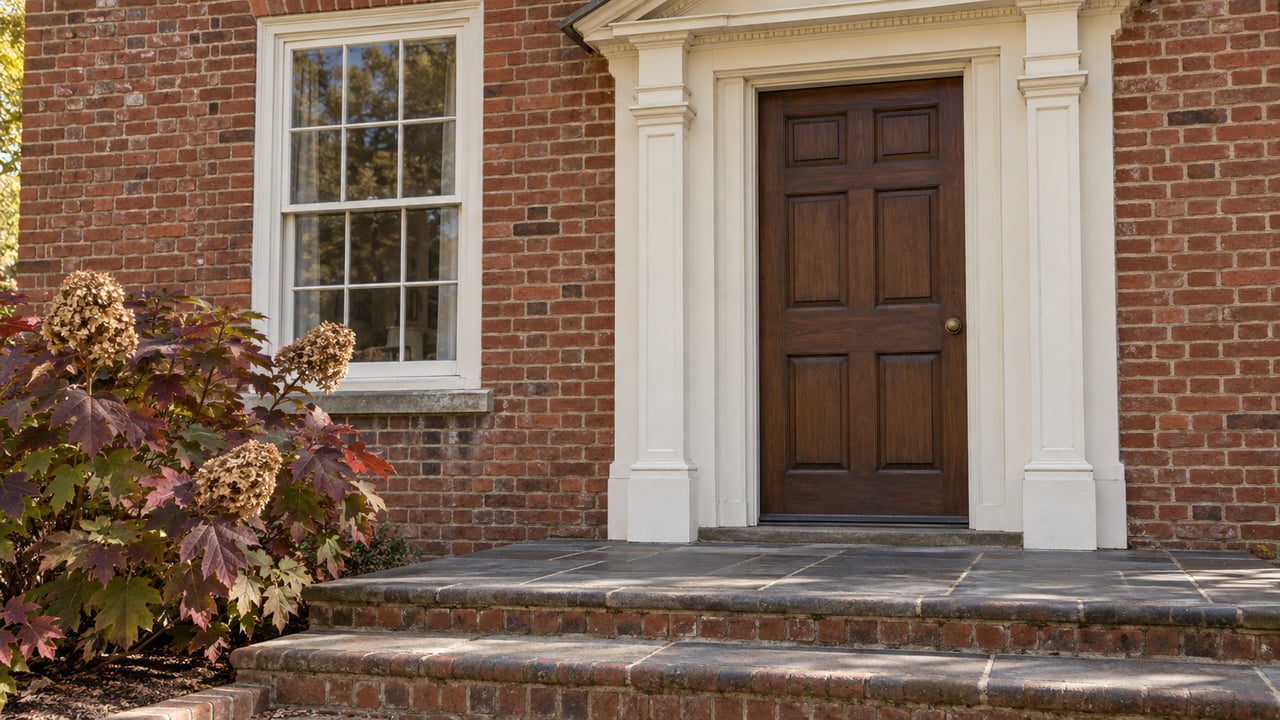
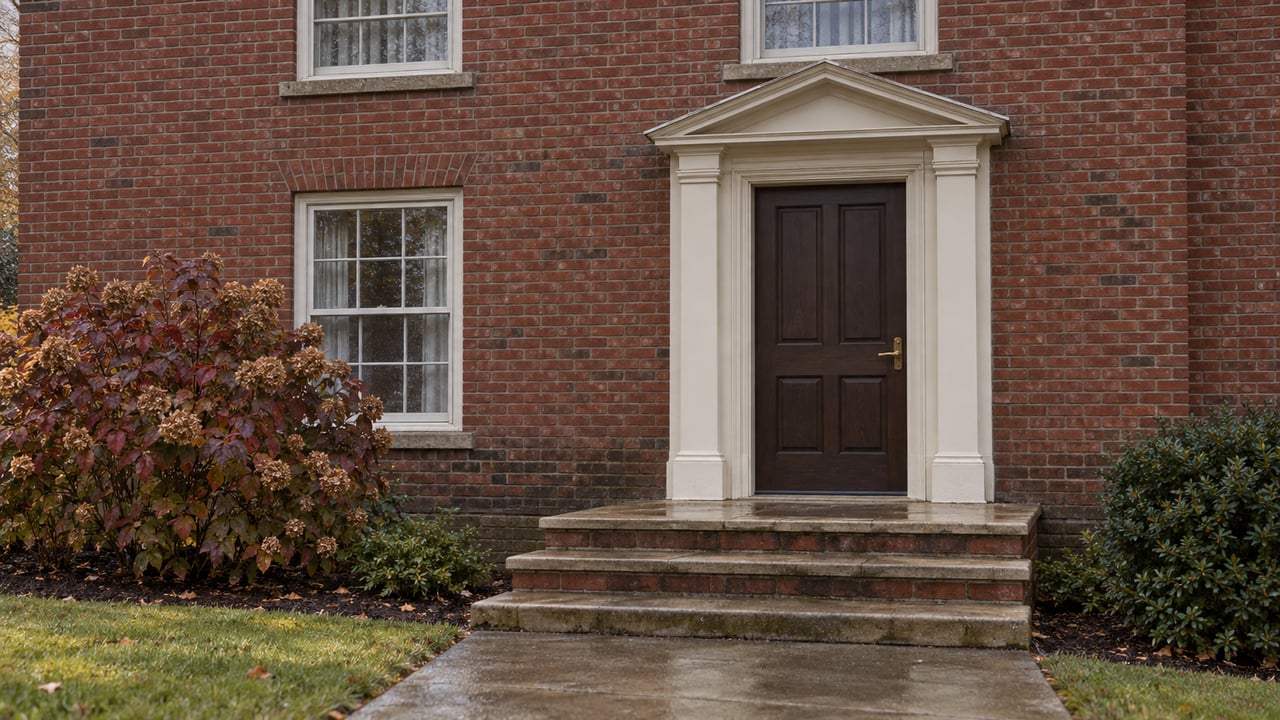
If you are considering a move to Clayton, it helps to know that the housing mix can shift quickly from block to block. The city’s zoning includes large-lot single-family districts, high-density multi-family districts, and mixed-use areas. That range supports both classic homes and more urban residential options.
In Clayton’s 2040 Existing Conditions Report, the city had just over 6,000 housing units. While 82% of residential land was single-family detached, that housing type made up only 34% of the housing stock. The report also noted that 56% of units were owner-occupied.
In practical terms, that means you may find condos, apartments, attached housing, and single-family homes all within the same broader city. For buyers and renters who want choices, that variety is part of what makes Clayton easier to match with different lifestyles.
Price Point and Buyer Fit
Clayton is generally a higher-price-point market. The city’s planning report described it as older and more expensive than the surrounding five-county region and cited a median home value of $683,400 at the time of the study. That does not mean every option looks the same, but it does help set expectations.
For some buyers, the appeal is worth the premium. Based on Clayton’s office base, transit access, compact layout, and housing variety, the area can be a strong fit for professionals seeking a shorter commute, downsizers wanting lower-maintenance living, and relocators looking for an urban-suburban blend.
The city also reviews new residential construction for compatibility and architectural integrity. That process helps preserve the character that many buyers are looking for when they focus on Clayton in the first place.
How Clayton Fits the St. Louis Region
Clayton does not feel isolated from the rest of the metro. The city describes itself as centrally located and within minutes of much of the region, which is one reason it remains so relevant for people moving within St. Louis or relocating here for the first time.
That combination matters. You can enjoy a core that feels self-contained for everyday living while still having straightforward access to major arteries and the wider metro area. For many buyers, that is the sweet spot.
If you are drawn to neighborhoods where convenience, recreation, transit, and housing variety all overlap, Clayton deserves a close look. It offers a daily lifestyle that feels more connected than many suburban options, while still giving you access to parks, culture, and a strong sense of place.
If you want help figuring out whether Clayton fits your goals, Drew Behrens can help you compare neighborhoods, property types, and price points across St. Louis with clear, local guidance.
FAQs
What makes Clayton’s core walkable for daily life?
- Clayton’s core brings together restaurants, offices, parks, transit, and nearby housing, making it easier to handle daily routines on foot.
What public transit options are available in Clayton, MO?
- Clayton has two MetroLink stations, Clayton and Forsyth, and Clayton Station connects to multiple MetroBus routes.
What parks are near downtown Clayton?
- Shaw Park and Oak Knoll Park are both key amenities, with Shaw Park offering larger recreation spaces and Oak Knoll Park providing a quieter setting.
What types of homes are available in Clayton near the core?
- The housing mix includes single-family homes, condos, apartments, attached housing, and mixed-use residential options depending on the block and district.
Is Clayton a higher-price-point St. Louis market?
- Yes. Clayton’s planning report described the city as more expensive than the surrounding five-county region and cited a median home value of $683,400 at the time of the study.