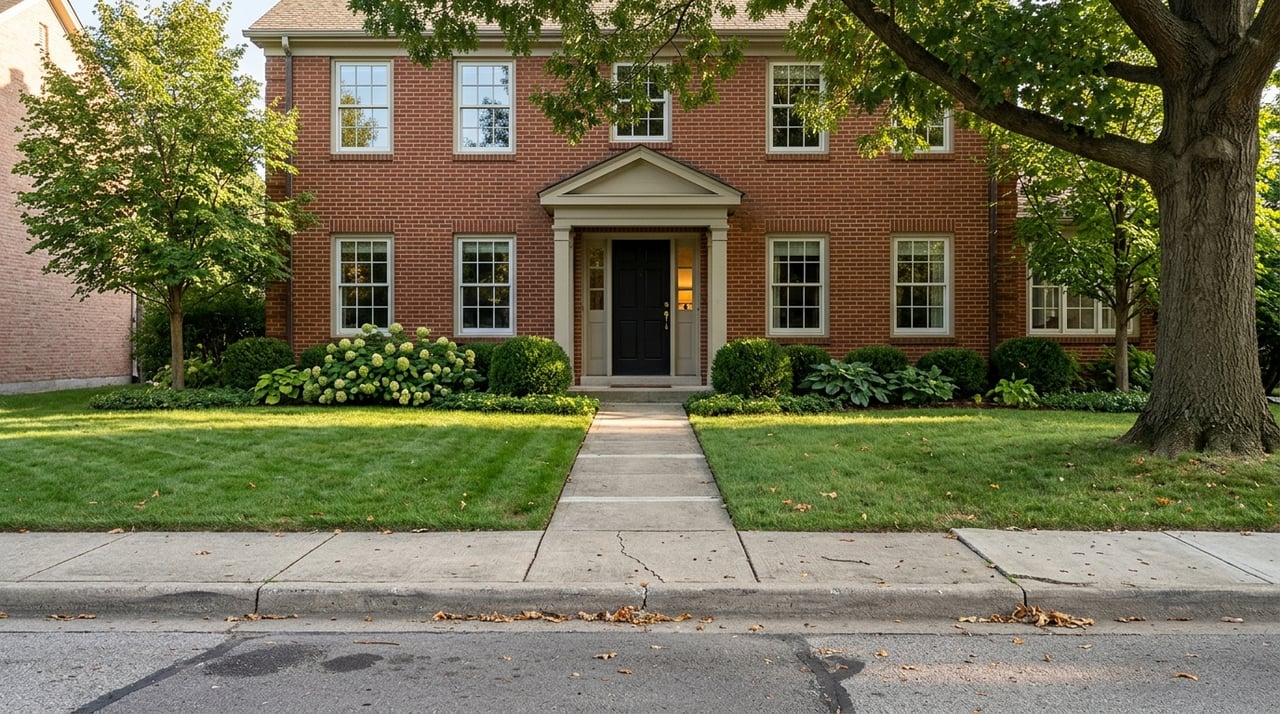
If you are looking for a St. Louis suburb with real character, Webster Groves tends to leave a strong impression. It feels established, local, and lived-in in the best way, with tree-lined streets, older homes, and small business districts that shape daily life. If you are trying to figure out whether it would actually fit your lifestyle, this guide will help you understand what day-to-day living here really feels like. Let’s dive in.
Webster Groves Feels Local and Connected
Webster Groves sits in southeastern St. Louis County, about 8 miles southwest of the City of St. Louis. Its identity grew from five railroad-era communities: Webster, Old Orchard, Webster Park, Tuxedo Park, and Selma. That history still shows up today, because the city feels more like a collection of connected neighborhood pockets than one uniform suburb.
That gives everyday life a more personal feel. Instead of one big commercial corridor defining the city, you move through distinct areas with their own rhythm and character. For many buyers, that is a big part of the appeal.
The city describes itself as tree-lined and walkable, with historic business districts and connected neighborhoods. In practice, that means streets with mature landscaping, regular foot traffic in certain pockets, and a strong sense that people use their neighborhood day to day rather than simply drive through it.
The Housing Character Stands Out
One of the first things you notice in Webster Groves is the housing stock. The city’s 2025 Comprehensive Plan says the housing is mostly single-family and that much of it was built before 1960, with relatively little new housing added since 1959. If you are drawn to older homes, that helps explain why Webster Groves often feels more layered and visually interesting than newer suburban areas.
Local historical sources point to a mix of Queen Anne, American Foursquare, Greek Revival, Bungalow, and Tudor Revival homes. You also see later infill on subdivided original lots, which adds more variety block to block. That mix is part of what makes home shopping here feel exciting, because homes often have distinct personalities rather than repeating the same floor plan.
The city also has several identified historic districts, including Central Webster, Marshall Place, Old Webster, Webster College–Eden Theological Seminary, and Webster Park. Historic preservation plays an active role in how change happens here. The Historic Preservation Commission and Architectural Review Board both work to preserve the city’s architectural identity.
For you as a buyer or owner, that often means more visual consistency and a stronger neighborhood feel over time. It can also mean renovations and new construction are more context-driven. In other words, Webster Groves tends to protect the qualities that people move there for in the first place.
Why Inventory Often Feels Tight
If Webster Groves seems competitive, that is not your imagination. The city’s comprehensive plan highlights limited housing diversity, limited homes for sale, and rising home values as part of its housing challenge. Since relatively little housing has been built in recent decades, supply has not expanded much.
The plan also points to a shortage of what is often called missing-middle housing, like townhomes, duplexes, and condos. That matters because it limits options for buyers who want to stay in the community but need a different type of home. It also helps explain why both first-time buyers and downsizers can feel pressure when the right home comes up.
Recent market snapshots support that sense of demand. Depending on the source and time frame, median pricing has ranged from the mid-$300,000s to the low-$400,000s, with Realtor.com reporting an average of 23 days on market and Redfin showing a year-over-year increase in median sale price. These reports use different methods, but together they point to an active market with limited supply.
Daily Life Happens in Walkable Pockets
Webster Groves is not built around one giant town center. Instead, daily routines tend to revolve around smaller business districts, especially Old Webster, Old Orchard, and Crossroads. That setup gives the city a neighborhood-by-neighborhood feel that many residents enjoy.
Old Orchard is a good example of the city’s everyday rhythm. Its current district materials describe a stretch of Big Bend with independently owned shops, restaurants, arts studios, and yoga studios. The mix of businesses supports the kind of quick stops and casual outings that make a place feel usable, not just attractive.
Current district listings include spots like Cyrano’s Café, Big Sky Café, The Frisco Barroom, The Annex Food and Coffee, and Beignet All Day. Whether you want coffee, a relaxed meal, or a place to meet friends, these smaller districts help create a routine that feels close to home.
That is one of Webster Groves’ biggest strengths. It offers convenience, but in a more local and low-key way than a large retail corridor. For many people, that makes the city feel more personal and easier to settle into.
Parks and Outdoor Time Are Part of the Routine
Outdoor space is another major part of daily life in Webster Groves. The city lists 17 community parks and related green spaces, including Blackburn Park, Gazebo Park, Memorial Park, Deer Creek Greenway, and the Marshall Ave Trailhead. It also has three bird sanctuaries, plus a recreation center with an outdoor pool and indoor ice rink.
That variety makes it easier to build simple outdoor habits into your week. You can go for a walk, spend time at a playground, enjoy a trail, or catch a casual community event in a park setting. The city’s physical layout supports the kind of everyday use that helps a place feel active and welcoming.
For buyers comparing suburbs, this matters more than it may seem at first. Access to parks and green space shapes how a place feels on an average Tuesday, not just on special occasions. In Webster Groves, that rhythm is a visible part of the lifestyle.
The Community Calendar Adds Energy
A lot of the appeal here comes from how the city activates its public spaces and business districts. Official city materials note a weekly farmers market from April through October, along with recurring events such as the Old Webster Jazz & Blues Festival, Art & Air, the Gazebo Park Concert & Movie Series, Community Days, the Old Webster Street Dance, and the Christmas Open House.
These events help the city feel engaged without feeling overbuilt or overly busy. They create recurring moments when neighbors gather, local businesses get more foot traffic, and familiar places feel even more connected. If you like living somewhere with a community rhythm, Webster Groves offers that in a very natural way.
The arts presence is also notable. The city points to recognition as a Missouri Arts Council Creative Community and names Webster University, the Repertory Theatre of St. Louis, Opera Theatre St. Louis, and the Community Music School as important local anchors. That adds another layer to the city’s identity and gives residents more ways to plug into cultural life close to home.
Webster Groves Works Well for Commuting
Lifestyle matters, but so does practicality. Webster Groves has a strong location advantage for people who want neighborhood character without giving up access to the rest of the region. The city says two I-44 interchanges provide easy access to I-64/40, I-70, and I-270.
According to city materials, it is roughly a 10-minute drive to Downtown St. Louis, Clayton, and West County, and about 20 minutes to Lambert Airport. The city also notes that two MetroLink stations are minutes away, giving some residents a transit option in addition to driving.
That convenience supports a lifestyle that feels rooted but flexible. You can enjoy an older, more established residential setting while still reaching major job centers and destinations fairly easily. For many buyers, that balance is a big reason Webster Groves stays in demand.
Why So Many Buyers Stay Interested
Webster Groves tends to appeal to several types of buyers at once. Census data show a 2025 population estimate of 23,450, an owner-occupied housing rate of 76.1%, a median household income of $115,227, and a mean commute time of 19 minutes. The city also has a large share of residents with a bachelor’s degree or higher, along with a meaningful 65+ population.
Those figures help explain why the city attracts both households looking for a long-term home base and people thinking about simplifying while staying in an established community. The presence of multiple senior living facilities also supports aging in place. In practical terms, Webster Groves offers a lifestyle that can work for more than one life stage.
The Webster Groves School District is also part of the conversation for many buyers. The district serves Webster Groves along with Glendale, Rock Hill, Shrewsbury, and Warson Woods, and Webster Groves High School reports 1,345 students in grades 9 through 12. For households focused on a long-term move, that district footprint is often part of what keeps Webster Groves competitive.
What It Usually Feels Like To Live Here
When you put it all together, Webster Groves feels established, walkable in pockets, and strongly tied to its local identity. You are not moving here for shiny newness or large-scale master planning. You are moving here for mature trees, character homes, small business districts, parks, community events, and a location that keeps you connected to greater St. Louis.
It also feels like a place where the details matter. Block-by-block housing differences, preservation standards, lot sizes, business districts, and commute patterns all shape the experience. That is one reason buyers often benefit from local guidance here, especially when inventory is limited and homes can vary so much in style, condition, and setting.
If Webster Groves sounds like the kind of place you want to explore, working with someone who understands both the numbers and the neighborhood can make the process a lot clearer. If you are thinking about buying, selling, relocating, or just trying to understand your options in Webster Groves, connect with Drew Behrens for thoughtful, local guidance.
FAQs
What is everyday life like in Webster Groves?
- Everyday life in Webster Groves tends to revolve around residential streets, walkable business pockets, local restaurants and shops, parks, and recurring community events.
What kind of homes are common in Webster Groves?
- Webster Groves is known for mostly single-family homes, many built before 1960, with styles that include Queen Anne, American Foursquare, Greek Revival, Bungalow, and Tudor Revival.
Why do homes in Webster Groves feel competitive?
- Homes in Webster Groves can feel competitive because the city has limited housing supply, relatively little recent construction, rising home values, and strong buyer demand.
Does Webster Groves have walkable areas?
- Yes, Webster Groves has walkable pockets, especially around business districts like Old Webster, Old Orchard, and Crossroads.
Is Webster Groves convenient for commuting around St. Louis?
- Yes, city materials say Webster Groves has easy access to major interstates, is about 10 minutes from Downtown St. Louis, Clayton, and West County, and about 20 minutes from Lambert Airport.
What makes Webster Groves appealing to different life stages?
- Webster Groves appeals to different life stages because it offers established neighborhoods, local amenities, parks, a range of housing character, and features that support both long-term living and aging in place.